

Experienced Texas Boating Accident Lawyers Fighting Under Maritime Law
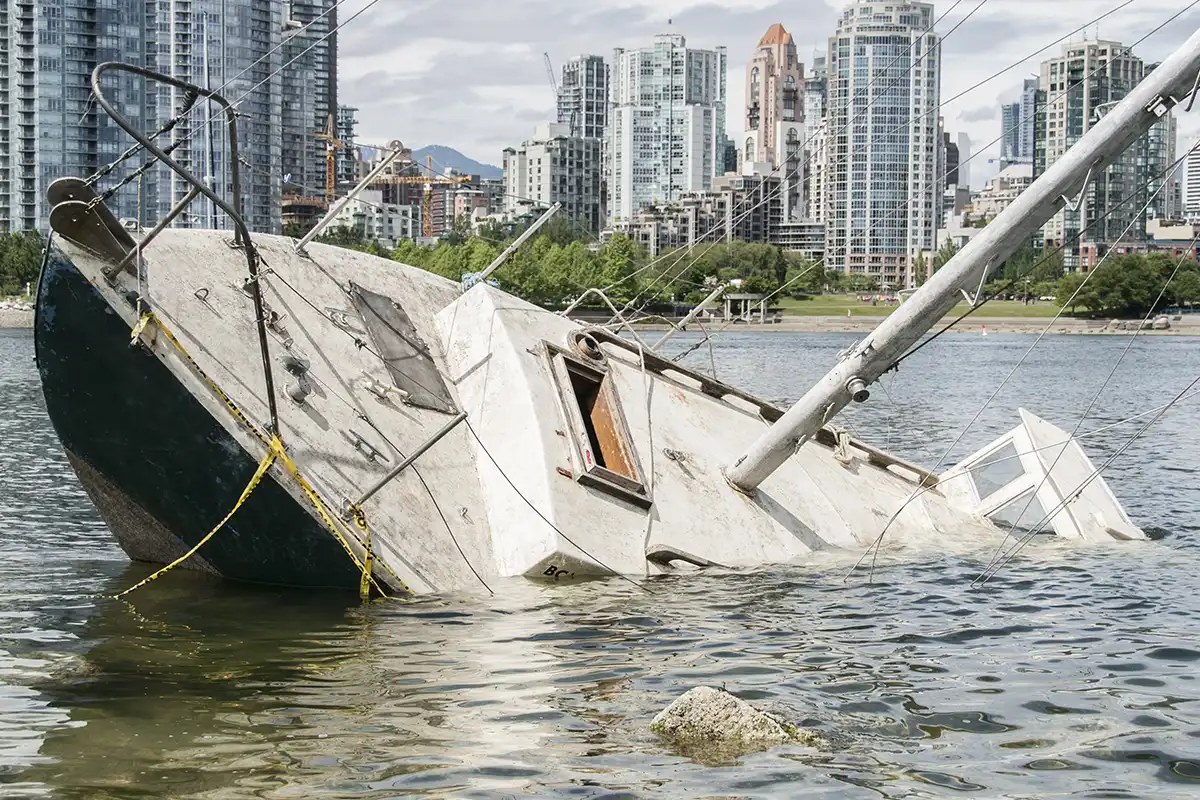
Experienced Texas Boating Accident Lawyers Fighting Under Maritime Law
Experienced Texas Boating Accident Lawyers Fighting Under Maritime Law
Texas boasts some of the most extensive and popular waterways in the United States, from the Gulf of Mexico coastline to massive lakes like Lake Texoma, Lake Travis, and Lake Conroe, to major rivers including the Rio Grande, Brazos, and Trinity. With over 267,000 registered recreational boats and thousands of commercial vessels operating in Texas waters, boating is a major recreational activity and commercial industry throughout the state.
However, Texas waterways can be dangerous, and boating accidents occur with alarming frequency. According to the Texas Parks and Wildlife Department, hundreds of boating accidents occur annually in Texas, resulting in serious injuries and deaths. Unlike automobile accidents that are governed by state law, most boating accidents fall under federal maritime law and admiralty jurisdiction, creating a complex legal landscape that many attorneys don’t understand.
At Harper Law Firm, we have extensive experience handling boating accident cases under federal maritime law. Whether you were injured as a passenger on a recreational boat, a crew member on a commercial vessel, or a swimmer struck by a negligent boat operator, we understand the unique legal challenges these cases present. As experienced Texas boating accident lawyers, we fight to ensure injured victims receive the maximum compensation available under maritime law.
Why Choose Harper Law Firm for Your Texas Boating Accident Case?
Understanding Federal Maritime Law and Admiralty Jurisdiction
Boating accidents involve specialized areas of federal law:
- Maritime law and admiralty jurisdiction for accidents on navigable waters
- Jones Act claims for injured crew members and maritime workers
- Death on the High Seas Act (DOHSA) for fatal accidents in federal waters
- Limitation of Liability Act issues that boat owners may try to use
- State law applications for accidents on non-navigable waters
Experience with Both Recreational and Commercial Vessel Accidents
We handle all types of boating accident cases:
- Recreational boating accidents on lakes, rivers, and coastal waters
- Commercial fishing vessel and charter boat accidents
- Offshore oil and gas vessel accidents
- Marine construction and work boat accidents
- Personal watercraft (jet ski) and water sports accidents
Knowledge of Texas Waterways and Boating Regulations
We understand the unique characteristics of Texas boating:
- Texas Parks and Wildlife boating safety regulations
- U.S. Coast Guard federal boating safety requirements
- Local waterway rules and navigation hazards
- Seasonal weather patterns and boating conditions
- High-traffic areas and accident-prone locations
Resources for Complex Maritime Cases
Boating accident cases often require specialized investigation and expert testimony:
- Marine accident reconstruction specialists
- Naval architects and marine engineering experts
- Coast Guard investigation analysis and expert testimony
- Medical experts who understand drowning and marine-related injuries
- Economic experts for calculating maritime damages
Understanding Maritime Law vs. State Law in Texas Boating Accidents
Federal Maritime Jurisdiction
Most Texas boating accidents fall under federal maritime law:
Navigable Waters Test:
- Federal maritime law applies to accidents on “navigable waters”
- Includes coastal waters, major rivers, and large lakes used for interstate commerce
- Texas coastal waters, Ship Channel, and major rivers are clearly navigable
- Large recreational lakes may also be considered navigable waters
Admiralty Jurisdiction:
- Federal courts have exclusive jurisdiction over maritime claims
- Maritime law provides different remedies than state personal injury law
- Jury trials available but with different procedures than state court
- Specialized maritime legal principles and precedents apply
Jones Act Coverage for Crew Members
Injured boat crew members have special rights under the Jones Act:
Seaman Status Requirements:
- Must be crew member of vessel in navigation
- Substantial connection to vessel operations
- Contributes to vessel’s function or mission
- Exposure to perils of the sea
Jones Act Benefits:
- Right to sue employer for negligence with lower burden of proof
- Maintenance and cure benefits during recovery
- Full damages including pain and suffering
- Jury trial rights in federal court
General Maritime Law for Passengers
Boat passengers injured due to negligence can recover under general maritime law:
Duty of Care Standards:
- Boat operators owe passengers duty of reasonable care
- Higher duty for common carriers and charter operations
- Duty to provide seaworthy vessel and competent crew
- Obligation to warn of known dangers and hazards
Available Damages:
- Medical expenses and future medical care
- Lost wages and earning capacity
- Pain and suffering compensation
- Wrongful death damages for fatal accidents
When State Law May Apply
Some boating accidents may be governed by Texas state law:
Non-Navigable Waters:
- Small lakes and ponds not used for interstate commerce
- Private waters and stock tanks
- Small streams and creeks
- Swimming pool and private pond accidents
Land-Based Activities:
- Dock and marina accidents while not on vessel
- Loading and unloading accidents on dry land
- Boat trailer accidents on highways
- Marine facility premises liability claims
Common Types of Texas Boating Accidents
Collision Accidents
Boat-to-boat collisions are among the most serious types of accidents:
Head-On Collisions:
- Often occur in narrow channels or during poor visibility
- Frequently involve excessive speed or operator inattention
- Can cause catastrophic injuries and vessel damage
- May involve multiple vessels in chain-reaction accidents
Side-Impact and T-Bone Collisions:
- Often occur at channel intersections or congested areas
- May involve failure to yield right-of-way
- Can cause severe injuries to passengers on impact side
- Often result from operator inexperience or poor judgment
Rear-End Collisions:
- Frequently occur when faster boats overtake slower vessels
- May involve inadequate lookout or following too closely
- Can cause passengers to be thrown forward or overboard
- Often happen during busy periods with heavy boat traffic
Operator Negligence Accidents
Many boating accidents result from negligent boat operation:
Boating Under the Influence (BUI):
- Alcohol and drug impairment significantly increase accident risk
- Texas law prohibits operating boats with BAC of 0.08% or higher
- Impaired operators have slower reaction times and poor judgment
- BUI accidents often result in serious injuries and criminal charges
Excessive Speed and Reckless Operation:
- Speed limits and wake restrictions in many Texas waterways
- Excessive speed reduces operator reaction time and vessel control
- Can cause loss of control in turns or rough water conditions
- Creates dangerous wakes that can swamp smaller vessels
Inadequate Lookout and Inattention:
- Operators must maintain proper lookout at all times
- Distracted operation due to passengers, phones, or other activities
- Failure to see other vessels, swimmers, or navigation hazards
- Poor visibility conditions requiring reduced speed and extra caution
Equipment Failures and Defects
Mechanical failures can cause serious boating accidents:
Engine and Propulsion System Failures:
- Engine failures that leave boats adrift in traffic or rough water
- Propeller strikes causing severe cuts and amputations
- Steering system failures causing loss of directional control
- Fuel system failures that can cause fires and explosions
Safety Equipment Failures:
- Life jacket and personal flotation device defects
- Fire extinguisher and safety equipment failures
- Navigation light and signaling equipment defects
- Emergency communication equipment failures
Hull and Structural Failures:
- Hull breaches that cause boats to sink rapidly
- Structural failures that compromise vessel integrity
- Deck and railing failures that allow passengers to fall overboard
- Trailer and transport equipment failures
Weather and Environmental Accidents
Texas weather and water conditions can create dangerous boating situations:
Sudden Weather Changes:
- Rapid development of thunderstorms and high winds
- Lightning strikes and electrical hazards on water
- Heavy rain reducing visibility and creating rough conditions
- Flash flooding on rivers creating dangerous currents and debris
Rough Water and Wave Conditions:
- Large waves from weather or vessel wakes
- Crossing wakes improperly causing loss of control
- Grounding accidents in shallow or unfamiliar waters
- Navigation hazards including submerged objects and low bridges
Swimming and Water Sports Accidents
Many boating accidents involve people in the water:
Propeller Strike Accidents:
- Swimmers and water skiers struck by boat propellers
- Often result in severe cuts, amputations, and death
- May occur during water sports activities or swimming near boats
- Can happen when boats back up without proper lookout
Carbon Monoxide Poisoning:
- Exhaust from boat engines creating dangerous CO concentrations
- Particularly dangerous in enclosed areas or when boats are rafted together
- Can cause unconsciousness and drowning
- Often affects passengers on swim platforms or near stern areas
Water Sports Accidents:
- Water skiing and wakeboarding accidents
- Tubing and other towed watersports accidents
- Personal watercraft (jet ski) accidents and collisions
- Diving accidents from boats in shallow water
Serious Injuries Common in Texas Boating Accidents
Drowning and Near-Drowning
Water-related injuries are unique to boating accidents:
Drowning Incidents:
- Leading cause of death in boating accidents
- Often occurs when passengers are thrown overboard unexpectedly
- Alcohol impairment significantly increases drowning risk
- Cold water immersion can cause rapid hypothermia and incapacitation
Near-Drowning and Water Inhalation:
- Can cause serious lung injuries and respiratory complications
- May result in brain injuries from oxygen deprivation
- Delayed symptoms may not appear immediately after rescue
- Can lead to secondary drowning hours or days after accident
Hypothermia and Cold Water Injuries:
- Texas coastal waters can be surprisingly cold, especially in winter
- Rapid loss of body heat leading to incapacitation
- Can affect swimming ability and survival time in water
- May cause cardiac arrest and other medical emergencies
Traumatic Injuries from Collisions
High-speed boating accidents can cause severe traumatic injuries:
Head and Brain Injuries:
- Traumatic brain injuries from collision impacts
- Concussions from being thrown against hard surfaces
- Skull fractures from direct impact with boat components
- Secondary brain injuries from near-drowning incidents
Spinal Cord Injuries:
- Cervical spine injuries from diving or collision impacts
- Compression fractures from hard landings after being airborne
- Disc injuries from sudden deceleration forces
- Paralysis requiring lifetime medical care and assistance
Fractures and Orthopedic Injuries:
- Arm and leg fractures from collision forces
- Rib fractures that may puncture lungs or cause breathing difficulties
- Pelvic fractures from high-impact collisions
- Multiple trauma requiring emergency surgery and extended recovery
Propeller and Cutting Injuries
Boat propellers can cause devastating injuries:
Propeller Strikes:
- Deep cuts and lacerations requiring extensive surgery
- Amputations of fingers, hands, arms, or legs
- Massive blood loss requiring emergency medical intervention
- Permanent disfigurement and disability
Sharp Object Injuries:
- Cuts from broken glass, metal, and fiberglass
- Puncture wounds from boat hardware and equipment
- Eye injuries from flying debris during accidents
- Facial injuries requiring reconstructive surgery
Burns and Fire Injuries
Boat fires can cause serious burn injuries:
Fuel-Related Fires:
- Gasoline vapor explosions during fueling or engine operation
- Flash fires from electrical system failures
- Propane and cooking fuel fires on larger vessels
- Engine compartment fires from fuel leaks or electrical problems
Chemical and Electrical Burns:
- Battery acid burns from marine battery systems
- Chemical burns from cleaning products and marine chemicals
- Electrical burns from defective wiring or lightning strikes
- Solar burns from extended sun exposure on water
Carbon Monoxide Poisoning
Boat exhaust can create deadly carbon monoxide concentrations:
Acute CO Poisoning:
- Unconsciousness and death from high CO concentrations
- Flu-like symptoms from lower-level exposure
- Impaired judgment and coordination affecting safety
- Can affect multiple passengers simultaneously
Chronic Health Effects:
- Long-term neurological damage from CO exposure
- Cardiovascular effects from repeated exposure
- Pregnancy complications from CO poisoning
- Delayed symptom onset requiring ongoing medical monitoring
Liability Issues in Texas Boating Accidents
Boat Operator Liability
Boat operators have primary responsibility for safe operation:
Negligent Operation:
- Violation of navigation rules and speed limits
- Operating under the influence of alcohol or drugs
- Failure to maintain proper lookout and safe speed
- Reckless operation endangering passengers and other boaters
Duty to Passengers:
- Providing competent and sober operation
- Ensuring adequate safety equipment and life jackets
- Warning passengers about known dangers and hazards
- Maintaining vessel in safe operating condition
Commercial Operator Liability:
- Higher duty of care for charter boat and tour operators
- Licensing and certification requirements for commercial operators
- Insurance requirements for commercial vessel operations
- Crew training and supervision responsibilities
Boat Owner Liability
Boat owners may be liable even when not operating the vessel:
Vicarious Liability:
- Liability for damages caused by authorized operators
- Family car doctrine applications to boat operations
- Employer liability for employee boat operation
- Negligent entrustment to incompetent or intoxicated operators
Vessel Maintenance and Seaworthiness:
- Duty to maintain vessel in safe operating condition
- Regular inspection and maintenance of safety equipment
- Addressing known defects and mechanical problems
- Ensuring compliance with Coast Guard safety regulations
Marina and Facility Liability
Marinas and boat facilities may be liable for accidents:
Premises Liability:
- Dangerous conditions on docks, piers, and walkways
- Inadequate lighting and safety barriers
- Slippery surfaces and trip hazards
- Swimming area hazards and inadequate supervision
Boat Launching and Recovery Accidents:
- Defective boat ramps and launching facilities
- Inadequate instructions and safety warnings
- Equipment failures during boat launching or retrieval
- Traffic control and congestion management failures
Manufacturer and Product Liability
Boat and equipment manufacturers may be liable for defective products:
Boat Design and Manufacturing Defects:
- Hull design defects that affect stability or buoyancy
- Engine and propulsion system defects
- Safety equipment design and manufacturing failures
- Inadequate warnings about operational limitations and hazards
Component and Equipment Defects:
- Propeller design defects that increase injury risk
- Life jacket and safety equipment failures
- Navigation and communication equipment defects
- Fuel system defects that create fire and explosion risks
Texas Boating Safety Regulations and Requirements
Texas Parks and Wildlife Boating Laws
Texas has comprehensive boating safety regulations:
Operator Education Requirements:
- Boater education course required for operators born after September 1, 1993
- Age restrictions for operating boats and personal watercraft
- Supervision requirements for young operators
- Commercial operator licensing and certification requirements
Equipment Requirements:
- Personal flotation device (life jacket) requirements for all passengers
- Fire extinguisher requirements based on boat size and type
- Sound signaling device requirements
- Navigation light requirements for night operation
Operation Restrictions:
- Speed limits and no-wake zones in many Texas waterways
- Alcohol and drug operation prohibitions
- Distance requirements from swimmers, divers, and other vessels
- Environmental protection requirements including discharge prohibitions
Federal Coast Guard Regulations
Federal regulations apply to all Texas waterways:
Vessel Documentation and Registration:
- State registration requirements for Texas-operated vessels
- Federal documentation for larger commercial vessels
- Hull identification number and registration display requirements
- Insurance and liability coverage requirements
Safety Equipment Standards:
- Coast Guard approved life jacket and safety equipment standards
- Fire extinguisher inspection and maintenance requirements
- Flare and signaling device requirements for offshore operation
- Radio and communication equipment requirements
Commercial Vessel Requirements:
- Captain licensing and certification requirements
- Crew training and certification standards
- Vessel inspection and certification requirements
- Passenger capacity and safety equipment requirements
Local Waterway Regulations
Many Texas lakes and waterways have additional local regulations:
Speed and Wake Restrictions:
- No-wake zones near marinas, swimming areas, and residential areas
- Speed limits during certain times of day or seasons
- Environmental restrictions to protect wildlife and water quality
- Noise restrictions in residential and recreational areas
Access and Use Restrictions:
- Boat launching and parking restrictions
- Seasonal closures for wildlife protection or low water conditions
- Restricted areas for swimming, fishing, and other activities
- Commercial operation permits and restrictions
Compensation Available in Texas Boating Accident Cases
Maritime Law Damages
Federal maritime law provides comprehensive damage recovery:
Economic Damages:
- Medical expenses including emergency treatment, surgery, and rehabilitation
- Lost wages and reduced earning capacity from injuries
- Future medical care and life care planning costs
- Property damage to boats, equipment, and personal belongings
Non-Economic Damages:
- Pain and suffering compensation for physical and emotional trauma
- Loss of enjoyment of life and recreational activities
- Disfigurement and permanent disability compensation
- Mental anguish and emotional distress damages
Jones Act Damages for Crew Members:
- Full damages including pain and suffering
- Maintenance and cure benefits during recovery
- Lost wages and earning capacity
- Medical expenses and future care costs
Punitive Damages
Punitive damages may be available in cases involving gross negligence:
Gross Negligence Standards:
- Conscious disregard for safety of passengers and other boaters
- Operating under influence of alcohol or drugs
- Reckless operation showing extreme indifference to safety
- Knowing operation of unseaworthy or dangerous vessels
Willful Misconduct:
- Intentional violations of safety regulations
- Operating without required licenses or certifications
- Fraudulent concealment of known vessel defects
- Systematic failure to maintain safety equipment
Wrongful Death Damages
When boating accidents result in death, surviving families may recover:
Death on the High Seas Act (DOHSA):
- Applies to deaths occurring more than 3 miles from shore
- Pecuniary damages for economic losses
- Loss of financial support and services
- May allow non-pecuniary damages in certain circumstances
General Maritime Law:
- Applies to deaths in territorial waters
- Broader damage recovery including non-economic losses
- Pain and suffering of decedent before death
- Loss of society and companionship
State Law Wrongful Death:
- May apply to accidents on non-navigable waters
- Mental anguish damages for surviving family members
- Economic losses including lost earning capacity
- Funeral and burial expenses
Challenges in Texas Boating Accident Cases
Jurisdictional Complexity
Determining applicable law can be complex:
Navigable Waters Determination:
- Federal vs. state jurisdiction depends on navigability
- Historical and commercial use factors
- Interstate commerce connections
- Recreational use and public access considerations
Choice of Law Issues:
- Federal maritime law vs. state personal injury law
- Different damage rules and limitations
- Procedural differences between federal and state courts
- Statute of limitations variations
Investigation Challenges
Boating accident investigation presents unique difficulties:
Evidence Preservation:
- Vessel damage may be underwater or scattered
- Weather and water conditions can destroy evidence quickly
- Witnesses may be from different states or difficult to locate
- Coast Guard investigation coordination and timing
Technical Analysis Requirements:
- Marine accident reconstruction expertise
- Weather and water condition analysis
- Vessel performance and handling characteristics
- Navigation and collision avoidance analysis
Insurance Coverage Issues
Boating insurance involves complex coverage questions:
Policy Coverage Scope:
- Recreational vs. commercial use coverage
- Geographic limitations on coverage
- Passenger liability and medical payment coverage
- Pollution and environmental damage exclusions
Multiple Insurance Coordination:
- Boat owner, operator, and marina insurance coordination
- Homeowner’s insurance coverage for personal boats
- Commercial liability and workers’ compensation coordination
- Uninsured boater coverage and limitations
Federal Limitation of Liability Act
Boat owners may attempt to limit liability under federal law:
Limitation Act Applications:
- Vessel owners can petition to limit liability to vessel value
- Must be filed promptly after accidents
- Applies to most maritime claims and damages
- Can significantly reduce available compensation
Challenging Limitation:
- “Privity or knowledge” exceptions to limitation
- Gross negligence and willful misconduct exceptions
- Unseaworthiness claims not subject to limitation
- Strategic litigation to defeat limitation attempts
How Harper Law Firm Handles Boating Accident Cases
Immediate Response and Investigation
We respond quickly to preserve crucial evidence:
Scene Investigation:
- Immediate scene documentation and evidence preservation
- Coordination with Coast Guard and law enforcement investigations
- Witness identification and statement collection
- Weather and water condition documentation
Vessel Examination:
- Comprehensive vessel inspection and damage analysis
- Mechanical system and safety equipment examination
- Maintenance record and inspection history review
- Expert analysis of vessel performance and handling
Maritime Law Expertise
Our team understands the complexities of maritime law:
Jurisdictional Analysis:
- Determining applicable federal and state law
- Navigable waters analysis and jurisdictional issues
- Choice of law and forum selection considerations
- Federal vs. state court strategic decisions
Maritime Claim Development:
- Jones Act and seaman status analysis
- General maritime law claim development
- Unseaworthiness and vessel condition analysis
- Maintenance and cure benefit claims
Expert Witness Coordination
We work with leading maritime experts:
Marine Accident Reconstruction:
- Naval architects and marine engineering experts
- Coast Guard investigators and former marine safety professionals
- Weather and oceanographic experts
- Vessel performance and handling specialists
Medical and Economic Experts:
- Marine medicine specialists familiar with boating injuries
- Drowning and water safety experts
- Life care planners for catastrophic injury cases
- Economic experts familiar with maritime industry earnings
Insurance and Recovery Maximization
We pursue all available sources of compensation:
Insurance Coverage Analysis:
- Comprehensive review of all applicable insurance policies
- Coordination of claims between multiple insurers
- Bad faith litigation against unreasonable insurance companies
- Uninsured boater coverage and gap coverage claims
Multi-Defendant Strategy:
- Identification of all potentially liable parties
- Boat owner, operator, manufacturer, and facility liability development
- Product liability claims against equipment manufacturers
- Premises liability claims against marinas and facilities
Frequently Asked Questions About Texas Boating Accidents
Does maritime law apply to accidents on Texas lakes?
It depends on whether the lake is considered “navigable waters” under federal law. Large lakes used for interstate commerce (like Lake Texoma) typically fall under maritime law, while smaller private lakes may be governed by state law.
Can I sue if I was injured as a passenger on someone else’s boat?
Yes, boat passengers can sue for injuries caused by operator negligence, vessel defects, or dangerous conditions. The specific laws that apply depend on where the accident occurred and your relationship to the vessel.
What if the boat operator was drinking when the accident happened?
Operating a boat under the influence is illegal in Texas and can support both criminal charges and civil liability. BUI accidents often qualify for punitive damages due to the reckless nature of impaired operation.
Do I need special insurance to operate a boat in Texas?
Texas doesn’t require boat insurance, but it’s highly recommended. Many marinas require insurance for docking, and liability coverage protects you if you cause accidents that injure others or damage property.
What if I was injured by a boat propeller while swimming?
Propeller strikes can result in serious injury claims against boat operators for negligent operation, failure to maintain proper lookout, or violation of distance requirements from swimmers.
How long do I have to file a lawsuit for a boating accident?
Maritime law typically provides a three-year statute of limitations, but deadlines can vary depending on the specific type of claim and applicable law. Contact an attorney immediately to protect your rights.
Can crew members on charter boats sue their employers?
Yes, crew members who qualify as “seamen” under maritime law can file Jones Act claims against their employers for negligence, plus claims for maintenance and cure benefits.
Serving Boating Accident Victims Throughout Texas
Harper Law Firm represents boating accident victims throughout Texas waters:
Major Texas Lakes and Waterways
- Lake Texoma: Popular recreational boating destination with heavy traffic
- Lake Travis: Austin area lake with numerous boating accidents
- Lake Conroe: Houston area lake with year-round boating activity
- Lake Buchanan: Highland Lakes chain with recreational and commercial traffic
Texas Coastal Waters
- Galveston Bay: Major recreational and commercial boating area
- Gulf of Mexico: Offshore fishing and recreational boating
- Corpus Christi Bay: Popular fishing and recreational area
- South Padre Island: Major tourist boating destination
Major Rivers and Waterways
- Trinity River: Navigable waterway through Dallas and Houston areas
- Brazos River: Popular recreational boating and fishing river
- Colorado River: Highland Lakes and recreational boating
- Rio Grande: Border waterway with unique jurisdictional issues
Commercial and Industrial Waters
- Houston Ship Channel: Major commercial vessel traffic
- Sabine River: Industrial and commercial vessel operations
- Intracoastal Waterway: Major commercial transportation route
- Port Arthur and Beaumont: Industrial waterway complexes
Contact Harper Law Firm for Your Texas Boating Accident Case
If you’ve been injured in a boating accident in Texas, don’t try to navigate the complex waters of maritime law alone. Boating accident cases involve specialized federal laws, technical vessel operations, and insurance companies with teams of maritime lawyers focused on minimizing their liability.
Harper Law Firm has the maritime law expertise and resources to take on boat operators, manufacturers, and insurance companies. We understand both recreational and commercial vessel operations and the unique legal challenges these cases present.
What We Offer Boating Accident Victims
- Free Consultations to evaluate your case and explain your rights
- No Fees Unless We Win your case
- Maritime Law and Admiralty Expertise
- Jones Act and Commercial Vessel Experience
- Resources to Fight Boat Operators and Manufacturers
- Statewide Representation on all Texas waterways
Why Immediate Action Is Important
Don’t delay in contacting us because:
- Maritime evidence can be lost quickly in water environments
- Vessel damage may be repaired or disposed of rapidly
- Witnesses may be tourists or visitors who become difficult to locate
- Federal limitation of liability proceedings have strict deadlines
- Coast Guard investigations may close before you have legal representation
Getting Started Is Easy
Taking the first step is simple:
- Call us for your free consultation
- Gather available information about the accident and vessels involved
- Bring medical records and any photos of the accident scene
- Tell us what happened and how you were injured
- Learn about your rights under maritime law and federal regulations
Don’t let boat operators, manufacturers, or insurance companies escape responsibility for their negligence. Texas waterways should be safe for recreation and commerce, and when accidents occur due to negligence, victims deserve compensation.
Call Harper Law Firm today for your free consultation. We’re here to fight for your rights under maritime law and help you get the justice and compensation you deserve for your boating accident injuries.
Request a Consultation
"*" indicates required fields