
Experienced Texas Motorcycle Accident Lawyers Fighting Anti-Motorcycle Bias
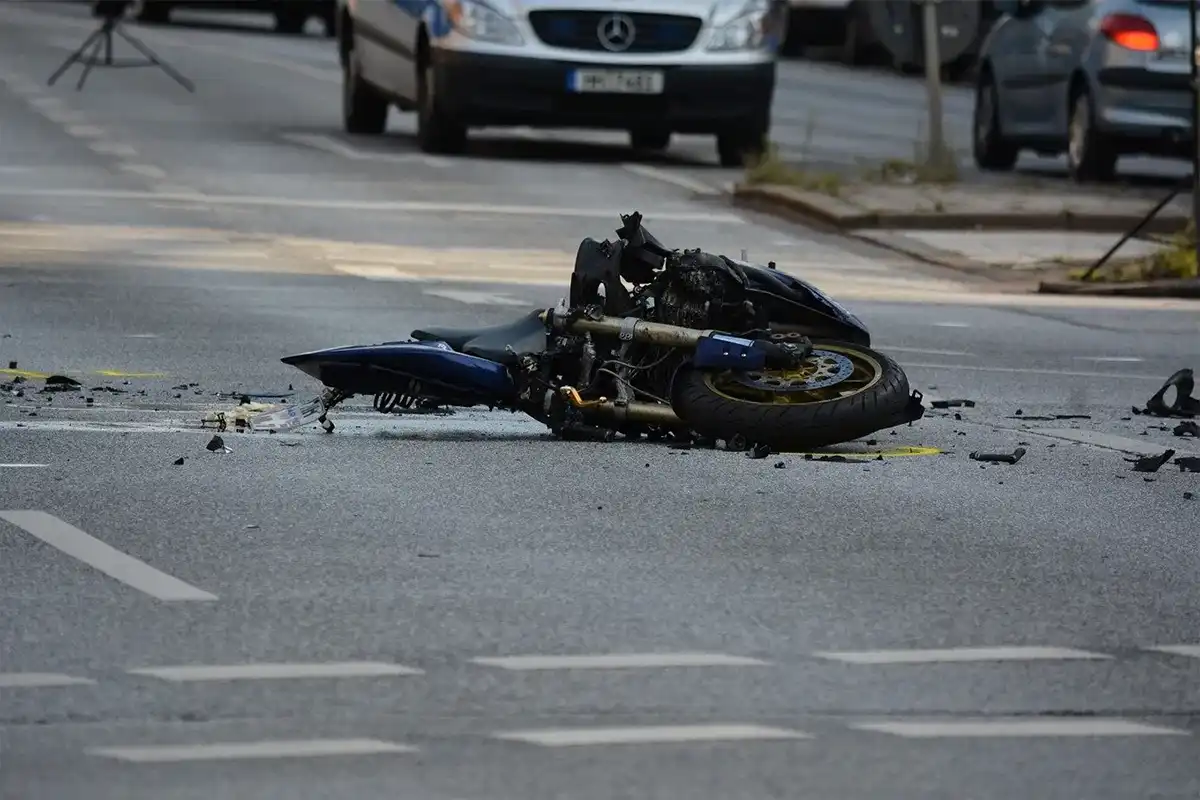
Experienced Texas Motorcycle Accident Lawyers Fighting Anti-Motorcycle Bias
TL;DR (In short): If you’ve been injured in a motorcycle accident in Texas, Harper Law Firm provides experienced legal representation that understands the unique challenges motorcyclists face. We combat anti-motorcycle bias, fight insurance companies that try to blame bikers, and work to recover maximum compensation for your injuries. Unlike settlement mills, we’re true litigation attorneys who aren’t afraid to take your case to trial to get you the justice you deserve.
Motorcycle riding in Texas is more than just transportation – it’s a way of life. From the scenic Hill Country roads to the long stretches of Texas highways, motorcyclists enjoy the freedom and thrill that comes with riding. Unfortunately, this freedom comes with significant risks, and when accidents occur, the results are often devastating.
At Harper Law Firm, we understand that motorcycle accidents are different from typical car accidents in several critical ways. First, motorcyclists are much more vulnerable to serious injuries due to the lack of protection that cars provide. Second, there’s often an inherent bias against motorcyclists, with many people assuming that bikers are reckless or at fault for accidents. Finally, insurance companies frequently try to exploit these biases to minimize or deny legitimate claims.
As experienced Texas motorcycle accident lawyers, we’re committed to fighting for the rights of injured motorcyclists throughout the state. We understand the motorcycle community, the unique dynamics of motorcycle accidents, and how to combat the unfair prejudices that injured bikers often face. Unlike settlement mills or “billboard lawyers,” we’re true litigation attorneys who aren’t afraid to take insurance companies to court when they refuse to offer fair compensation.
Why Choose Harper Law Firm for Your Texas Motorcycle Accident Case?
Understanding Motorcycle Culture and Rights
We don’t just represent motorcyclists – we understand and respect motorcycle culture. We know that:
- Most motorcycle accidents are caused by other drivers, not motorcyclists
- Bikers have the same rights to the road as any other vehicle
- “Loud pipes save lives” and other safety measures are legitimate
- The motorcycle community is often unfairly stereotyped and blamed
Experience Fighting Anti-Motorcycle Bias
Insurance companies and even some attorneys harbor anti-motorcycle bias. We combat this by:
- Educating juries about motorcycle safety and rights
- Presenting evidence that challenges stereotypes about bikers
- Working with expert witnesses who understand motorcycle dynamics
- Aggressively challenging victim-blaming tactics
Knowledge of Motorcycle Accident Dynamics
Motorcycle accidents involve unique factors that we thoroughly understand:
- How motorcycles respond differently in emergency situations
- The physics of motorcycle crashes and injury patterns
- Motorcycle safety equipment and its effectiveness
- Road hazards that particularly affect motorcycles
Statewide Texas Representation
Texas has some of the most beautiful motorcycle riding in the country, from the Twisted Sisters in the Hill Country to the coastal roads near Galveston. We represent injured motorcyclists throughout Texas, including:
- Popular riding destinations and scenic routes
- Urban areas with heavy traffic and distracted drivers
- Rural highways where high-speed accidents occur
- Tourist areas where unfamiliar drivers pose risks
Common Types of Motorcycle Accidents in Texas
Left-Turn Accidents
The most common type of motorcycle accident occurs when a car makes a left turn in front of an oncoming motorcycle. These accidents happen because:
- Drivers fail to see motorcycles due to their smaller profile
- Drivers misjudge the speed and distance of approaching motorcycles
- Motorcycles can be hidden in blind spots or behind other vehicles
- Drivers are distracted and don’t properly scan for motorcycles
These accidents often result in severe injuries because the motorcycle strikes the side of the turning vehicle at significant speed.
Rear-End Collisions
When cars rear-end motorcycles, the results are often catastrophic:
- Motorcyclists are thrown from their bikes at high speed
- There’s no protection between the rider and the striking vehicle
- Secondary injuries occur when riders hit the ground or other objects
- Multiple vehicles may be involved if the motorcycle is pushed into traffic
Lane-Change Accidents
These accidents occur when drivers change lanes into motorcycles, often because:
- Motorcycles are in the driver’s blind spot
- Drivers don’t check mirrors and blind spots adequately
- Motorcycles are filtering or lane-splitting (where legal)
- Drivers are distracted by phones or other devices
Intersection Accidents
Intersections are particularly dangerous for motorcyclists due to:
- Multiple vehicles approaching from different directions
- Complex traffic patterns and signal phases
- Drivers focused on car traffic rather than motorcycles
- Right-of-way violations by car drivers
Head-On Collisions
Though less common, head-on collisions are often fatal for motorcyclists:
- Usually occur when cars cross center lines
- May involve impaired or distracted drivers
- Often happen on rural roads with higher speed limits
- Result in the most severe injuries and fatalities
Road Hazard Accidents
Motorcycles are particularly vulnerable to road hazards that might not affect cars:
- Gravel, oil, or debris in roadways
- Potholes and uneven pavement
- Construction zones with sudden lane changes
- Weather conditions like rain making roads slippery
Common Causes of Texas Motorcycle Accidents
Driver Inattention and Distracted Driving
The leading cause of motorcycle accidents is other drivers simply not seeing motorcycles:
- Cell phone use: Texting, calling, or using apps while driving
- General inattention: Daydreaming or not actively scanning for traffic
- Looking but not seeing: Focusing on car-sized objects and missing motorcycles
- Multitasking: Eating, adjusting controls, or talking to passengers
Failure to Yield Right-of-Way
Many accidents occur when car drivers fail to yield to motorcycles:
- Left-turn accidents when drivers don’t wait for oncoming motorcycles
- Merging accidents when drivers don’t see motorcycles in adjacent lanes
- Intersection accidents when drivers run red lights or stop signs
- Highway entrance accidents when drivers don’t yield to motorcycle traffic
Following Too Closely
Car drivers often follow motorcycles too closely because they:
- Underestimate how quickly motorcycles can stop
- Don’t account for the smaller profile making distance judgment difficult
- Become impatient with motorcycle speeds
- Don’t understand motorcycle braking capabilities
Impaired Driving
Drunk or drugged drivers pose extreme dangers to motorcyclists:
- Impaired reaction times make it harder to avoid motorcycles
- Poor judgment leads to risky driving behaviors
- Reduced vision and coordination affect ability to see motorcycles
- Impaired drivers are more likely to cross center lines or run red lights
Aggressive Driving and Road Rage
Some drivers specifically target motorcyclists due to:
- Prejudice against motorcycle riders
- Anger at lane filtering or splitting
- Impatience with motorcycle speeds or maneuvers
- General aggressive driving that affects all road users
Weather and Road Conditions
Texas weather can change rapidly, creating dangerous conditions:
- Sudden thunderstorms with heavy rain and reduced visibility
- High winds that can push motorcycles off course
- Temperature changes that affect tire traction
- Flooding that creates hidden road hazards
Serious Injuries Common in Texas Motorcycle Accidents
Traumatic Brain Injuries (TBI)
Even with helmets, motorcyclists frequently suffer brain injuries:
- Concussions: Can have lasting effects on memory, concentration, and mood
- Severe TBI: May result in permanent cognitive impairment, personality changes, or vegetative states
- Skull fractures: Often require surgery and can lead to ongoing complications
- Brain bleeding: Internal hemorrhaging that can be life-threatening
Texas doesn’t require helmets for riders over 21 with insurance and safety training, but helmets significantly reduce brain injury risk.
Spinal Cord Injuries
The impact and sudden deceleration in motorcycle accidents often cause spinal injuries:
- Complete paralysis: Total loss of sensation and movement below the injury site
- Incomplete paralysis: Partial loss of function with potential for some recovery
- Herniated discs: Can cause chronic pain and require surgery
- Compression fractures: May heal but often result in permanent limitations
Road Rash and Skin Injuries
When motorcyclists slide across pavement, they suffer severe skin injuries:
- First-degree road rash: Superficial scrapes that heal relatively quickly
- Second-degree road rash: Deeper wounds that may require skin grafts
- Third-degree road rash: Full-thickness injuries that often cause permanent scarring
- Infection risks: Road debris and bacteria can cause serious complications
Broken Bones and Fractures
The impact forces in motorcycle accidents commonly cause:
- Leg and ankle fractures: Often occur when motorcycles fall on riders
- Arm and wrist injuries: From trying to break falls or being thrown
- Rib fractures: Can puncture lungs or cause breathing difficulties
- Pelvic fractures: Among the most serious and difficult to treat
Internal Injuries
High-impact motorcycle accidents can cause internal damage:
- Internal bleeding: May not be immediately apparent but can be life-threatening
- Organ damage: Liver, spleen, kidney, or lung injuries requiring surgery
- Chest injuries: Collapsed lungs, heart damage, or aortic tears
- Abdominal injuries: Damage to digestive organs or major blood vessels
Burn Injuries
Motorcycle accidents may involve fires from fuel spills:
- Thermal burns: From contact with hot engine parts or fuel fires
- Chemical burns: From battery acid, coolant, or fuel contact
- Friction burns: From sliding on hot pavement
- Electrical burns: From damaged electrical systems
Psychological Trauma
The traumatic nature of motorcycle accidents often causes lasting psychological effects:
- Post-traumatic stress disorder (PTSD): Flashbacks, nightmares, and anxiety
- Fear of riding: May prevent return to motorcycle use
- Depression: From injury impact on lifestyle and independence
- Anxiety disorders: General fear of driving or being on roads
Texas Motorcycle Laws and Helmet Requirements
Texas Helmet Law
Texas has a modified helmet requirement:
- Riders under 21: Must wear DOT-approved helmets
- Riders 21 and older: Must wear helmets unless they:
- Have health insurance coverage of at least $10,000, OR
- Have completed a motorcycle safety course
Even when not legally required, helmets significantly reduce injury severity and death rates.
Motorcycle Licensing Requirements
Texas requires proper licensing for motorcycle operation:
- Class M license: Required for motorcycles and motor-driven cycles
- Motorcycle endorsement: Can be added to regular driver’s license
- Safety course: Completing an approved course waives the road test requirement
- Age restrictions: Learner’s permits available at 15, full licenses at 16
Motorcycle Equipment Requirements
Texas law requires motorcycles to have:
- Headlight and taillight: Must be functional during operation
- Turn signals: Required on motorcycles manufactured after 1973
- Mirrors: At least one rearview mirror
- Muffler: Exhaust system that meets noise requirements
- Brakes: Functional braking system meeting safety standards
Lane Filtering and Lane Splitting
Currently, Texas does not allow lane filtering or lane splitting:
- Lane splitting: Riding between lanes of moving traffic (illegal in Texas)
- Lane filtering: Moving between stopped cars at red lights (also illegal)
- Proposed legislation: Bills have been introduced to allow limited lane filtering
- Enforcement: Violations can result in tickets and may be used against motorcyclists in accident cases
Motorcycle Insurance Requirements
Texas requires motorcycle insurance with minimum coverage of:
- $30,000 per person for bodily injury liability
- $60,000 per accident for bodily injury liability
- $25,000 per accident for property damage liability
These minimums are often inadequate for serious motorcycle accident injuries, making uninsured/underinsured motorist coverage crucial.
Fighting Anti-Motorcycle Bias in Texas Courts
Common Motorcycle Stereotypes and Prejudices
Unfortunately, motorcyclists often face unfair stereotypes:
- “Bikers are reckless”: Assumption that motorcyclists take unnecessary risks
- “Loud pipes are obnoxious”: Failure to understand safety benefits of audible motorcycles
- “Motorcycles are hard to see”: Used to excuse driver negligence
- “Speed demon” stereotype: Assumption that motorcyclists always speed
- Appearance bias: Prejudice based on clothing, tattoos, or motorcycle style
How We Combat Bias in Court
Our strategies for fighting anti-motorcycle bias include:
Education and Statistics:
- Presenting data showing most motorcycle accidents are caused by other drivers
- Explaining motorcycle safety features and rider training
- Demonstrating that motorcyclists often have better driving records than car drivers
Expert Testimony:
- Motorcycle safety experts who explain proper riding techniques
- Accident reconstruction specialists who focus on physics, not prejudice
- Medical experts who explain injury patterns specific to motorcycle accidents
Jury Selection:
- Identifying and excluding biased potential jurors
- Selecting jurors who understand or appreciate motorcycle riding
- Educating selected jurors about motorcycle rights and safety
Case Presentation:
- Focusing on the other driver’s negligence rather than motorcycle operation
- Using visual aids to show accident dynamics objectively
- Presenting our clients as responsible riders and community members
Overcoming “Motorcycle Fault” Arguments
Insurance companies often try to blame motorcyclists by arguing:
“The motorcycle was speeding”:
- We investigate actual speeds using accident reconstruction
- We show that even if speed was a factor, the other driver’s negligence was the primary cause
- We demonstrate that cars often misjudge motorcycle speeds
“The motorcycle was in the blind spot”:
- We prove that proper mirror use and head checks would have revealed the motorcycle
- We show that drivers have a duty to ensure lanes are clear before changing
- We demonstrate that “blind spots” are often driver negligence, not unavoidable areas
“The motorcycle came out of nowhere”:
- We use witness testimony and physical evidence to show motorcycle visibility
- We prove that motorcycles don’t actually “appear suddenly” – drivers simply weren’t looking
- We demonstrate that this phrase is often code for driver inattention
Proving Motorcycle Visibility
Visibility is often a key issue in motorcycle accident cases:
Lighting and Equipment:
- Documenting proper headlight, taillight, and turn signal operation
- Showing compliance with all required safety equipment
- Demonstrating use of additional safety features like reflective gear
Road and Weather Conditions:
- Analyzing visibility conditions at the time of accident
- Showing that conditions were adequate for the other driver to see the motorcycle
- Proving that weather or lighting didn’t excuse driver negligence
Vehicle Positioning:
- Using accident reconstruction to show motorcycle position and visibility
- Demonstrating that the motorcycle was in a legal and visible location
- Proving that proper driver attention would have detected the motorcycle
Texas Comparative Negligence and Motorcycle Accidents
How Comparative Negligence Works
Texas follows a modified comparative negligence rule:
- 51% rule: You can recover damages if you’re 50% or less at fault
- Reduced recovery: Your damages are reduced by your percentage of fault
- No recovery: If you’re 51% or more at fault, you cannot recover anything
Common Comparative Negligence Arguments Against Motorcyclists
Insurance companies often try to assign fault to motorcyclists for:
Lane positioning:
- Claiming the motorcycle was in an “unsafe” position
- Arguing that lane filtering or positioning contributed to the accident
- Suggesting that different positioning could have avoided the accident
Speed and following distance:
- Arguing that motorcycle speed was excessive for conditions
- Claiming the motorcyclist was following too closely
- Suggesting that slower speeds would have prevented the accident
Visibility and equipment:
- Claiming the motorcycle wasn’t visible enough
- Arguing that additional safety equipment should have been used
- Suggesting that clothing or equipment choices contributed to the accident
Defending Against Comparative Negligence Claims
We defend motorcyclists against unfair fault assignments by:
Proving Traffic Law Compliance:
- Showing that the motorcycle was operating within all traffic laws
- Demonstrating proper licensing, insurance, and equipment compliance
- Proving that motorcycle operation met all safety standards
Expert Accident Reconstruction:
- Using physics and engineering to show actual cause of the accident
- Demonstrating that other driver negligence was the primary factor
- Proving that motorcycle actions were reasonable and appropriate
Witness Testimony:
- Presenting witnesses who saw the other driver’s negligent actions
- Using testimony to show the motorcycle was operating safely
- Demonstrating that the accident was unavoidable from the motorcycle’s perspective
Types of Compensation in Texas Motorcycle Accident Cases
Economic Damages
These compensate for measurable financial losses:
Medical Expenses:
- Emergency room treatment and hospital stays
- Surgery and specialized medical procedures
- Rehabilitation and physical therapy
- Ongoing medical care and future treatment needs
- Medical equipment like wheelchairs or prosthetics
- Home modifications for accessibility
Lost Income:
- Wages lost during recovery period
- Reduced earning capacity due to permanent injuries
- Lost business income for self-employed riders
- Benefits and bonuses that would have been earned
- Retirement contributions and other compensation
Property Damage:
- Motorcycle repair or replacement costs
- Custom parts and modifications
- Safety equipment replacement
- Towing and storage costs
- Rental vehicle expenses during repairs
Non-Economic Damages
These compensate for subjective losses:
Pain and Suffering:
- Physical pain from injuries and treatment
- Emotional distress and mental anguish
- Loss of enjoyment of riding and other activities
- Impact on relationships and quality of life
- Permanent scarring and disfigurement
Loss of Consortium:
- Impact on spousal relationships
- Loss of companionship and support
- Effect on family dynamics and activities
- Changes in intimate relationships due to injuries
Punitive Damages
In cases involving gross negligence or intentional misconduct:
- Drunk driving accidents involving motorcyclists
- Intentional acts of road rage against bikers
- Extreme reckless driving that shows conscious disregard for motorcycle safety
- Pattern of dangerous behavior by commercial drivers
Wrongful Death Damages
When motorcycle accidents result in death:
Economic Losses:
- Funeral and burial expenses
- Lost future earnings and benefits
- Loss of inheritance expectations
- Medical expenses related to final injury
Non-Economic Losses:
- Mental anguish of surviving family members
- Loss of companionship, society, and comfort
- Loss of care, maintenance, and services
- Impact on children and family relationships
Investigating Texas Motorcycle Accidents
Immediate Scene Investigation
Time is critical in motorcycle accident investigations:
Physical Evidence:
- Motorcycle damage patterns and impact points
- Debris field analysis and skid mark measurements
- Road surface conditions and visibility factors
- Traffic control device operation and positioning
Photography and Documentation:
- Multiple angles of all vehicles involved
- Road conditions, weather, and lighting
- Traffic signs, signals, and lane markings
- Motorcycle position and damage patterns
Witness Interviews:
- Identifying and interviewing all witnesses quickly
- Obtaining contact information before witnesses leave
- Getting detailed statements about what they observed
- Video recording witness statements when possible
Motorcycle-Specific Evidence
Motorcycle accidents require specialized investigation:
Motorcycle Inspection:
- Pre-accident condition and maintenance records
- Safety equipment operation and effectiveness
- Evidence of mechanical failures or defects
- Modification or customization documentation
Rider Equipment Analysis:
- Helmet damage patterns and effectiveness
- Protective clothing and its condition
- Safety equipment that was or wasn’t used
- Equipment manufacturer defects or failures
Riding Experience and Training:
- Motorcycle licensing and endorsement status
- Safety course completion and training records
- Riding experience and accident history
- Familiarity with the accident location
Expert Witness Development
Complex motorcycle cases often require expert testimony:
Accident Reconstruction Experts:
- Specialists who understand motorcycle physics and dynamics
- Engineers who can explain impact forces and injury causation
- Experts who can counter anti-motorcycle bias with science
Motorcycle Safety Experts:
- Experienced riders who can explain proper motorcycle operation
- Instructors who can testify about training and safety standards
- Experts who can address visibility and motorcycle awareness issues
Medical Experts:
- Trauma specialists who understand motorcycle injury patterns
- Rehabilitation experts who can project future needs
- Psychologists who can address trauma and adjustment issues
Economic Experts:
- Specialists who understand the economic impact of serious injuries
- Vocational rehabilitation experts for career change needs
- Life care planners for long-term medical and assistance needs
Dealing with Insurance Companies in Motorcycle Cases
Insurance Company Bias Against Motorcyclists
Insurance companies often have institutional bias against motorcycle claims:
Assumption of Fault:
- Automatically assuming the motorcyclist was at fault
- Requiring extensive proof of other driver negligence
- Applying different standards to motorcycle vs. car accident claims
Minimizing Injuries:
- Arguing that motorcycle injuries are “assumed risk”
- Claiming that proper equipment would have prevented injuries
- Suggesting that motorcyclists “asked for” serious injuries by riding
Lowball Settlement Offers:
- Offering settlements that don’t account for full damages
- Pressuring for quick settlements before injury extent is known
- Using comparative negligence arguments to reduce offers
Our Strategies for Fighting Insurance Bias
We combat insurance company bias through:
Thorough Documentation:
- Comprehensive evidence gathering and case development
- Expert testimony that counters bias with facts
- Complete medical documentation of all injuries and treatment
Aggressive Negotiation:
- Refusing to accept lowball offers based on bias
- Presenting compelling evidence of other driver fault
- Using litigation threats to motivate fair settlement discussions
Trial Preparation:
- Preparing every case as if it’s going to trial
- Demonstrating willingness to let juries decide fair compensation
- Using trial preparation to pressure better settlement offers
Common Insurance Company Tactics
Be aware of these common insurance company tactics:
Recorded Statements:
- Trying to get statements that can be used against you
- Asking leading questions designed to elicit damaging admissions
- Using statements to argue comparative negligence
Independent Medical Examinations:
- Requiring examinations by insurance company doctors
- Using biased medical opinions to minimize injury claims
- Scheduling examinations at inconvenient times or locations
Surveillance:
- Conducting video surveillance to challenge injury claims
- Using social media posts against injured motorcyclists
- Investigating lifestyle and activities to minimize claims
Delay Tactics:
- Slow-playing claims to pressure quick settlements
- Requesting excessive documentation and records
- Using complex approval processes to delay payments
The Harper Law Firm Approach to Motorcycle Accident Cases
Understanding the Motorcycle Community
We genuinely understand and respect motorcycle culture:
- We recognize that motorcycling is a passion, not just transportation
- We understand the freedom and camaraderie that comes with riding
- We respect the skill and responsibility that safe riding requires
- We fight against unfair stereotypes and prejudices
Comprehensive Case Investigation
Our investigation process includes:
Immediate Response:
- Rapid scene investigation before evidence disappears
- Preservation of motorcycle and safety equipment
- Witness interviews while memories are fresh
- Documentation of all relevant factors
Technical Analysis:
- Motorcycle inspection by qualified experts
- Accident reconstruction using motorcycle-specific expertise
- Analysis of road conditions and visibility factors
- Review of traffic laws and violation evidence
Medical and Economic Analysis:
- Working with doctors who understand motorcycle injuries
- Life care planning for serious injuries
- Economic analysis of lost income and future needs
- Psychological evaluation for trauma and adjustment issues
Aggressive Advocacy
We provide aggressive representation that includes:
Fighting Bias:
- Challenging anti-motorcycle stereotypes and assumptions
- Educating insurance companies, judges, and juries about motorcycle rights
- Presenting positive evidence about motorcycle safety and responsibility
Maximizing Recovery:
- Identifying all available insurance coverage and liable parties
- Pursuing maximum compensation for all damages
- Using expert testimony to prove full extent of losses
Trial Readiness:
- Preparing every case for trial from the beginning
- Using trial preparation to motivate better settlement offers
- Actually taking cases to trial when necessary for fair compensation
Personal Attention and Support
We provide personal attention that includes:
Direct Attorney Access:
- Working directly with experienced attorneys, not case managers
- Regular communication about case progress and developments
- Availability to answer questions and address concerns
Understanding Your Situation:
- Recognizing the impact of injuries on your riding and lifestyle
- Understanding the financial pressures of medical bills and lost income
- Providing emotional support during difficult recovery periods
Resource Connections:
- Referring to medical providers who understand motorcycle injuries
- Connecting with support groups and motorcycle community resources
- Helping with insurance and benefits issues during recovery
Frequently Asked Questions About Texas Motorcycle Accidents
Do I have to wear a helmet in Texas?
Riders 21 and older can ride without helmets if they have health insurance coverage of at least $10,000 or have completed a motorcycle safety course. However, helmets significantly reduce injury severity and death rates, and not wearing one may be used against you in court.
What if the other driver says they didn’t see me?
“I didn’t see the motorcycle” is not a valid defense. Drivers have a duty to maintain proper lookout and see what’s there to be seen. We use this admission to prove the driver wasn’t paying adequate attention.
Can I recover compensation if I wasn’t wearing protective gear?
Yes, but lack of protective gear may be used to argue that your injuries would have been less severe with proper equipment. This can affect the amount of compensation but doesn’t prevent recovery if the other driver was at fault.
What if I was lane filtering or splitting when the accident happened?
Lane filtering and splitting are currently illegal in Texas, so this could affect your case. However, even if you were technically violating traffic law, you may still recover compensation if the other driver’s negligence was the primary cause of the accident.
How long do I have to file a motorcycle accident lawsuit in Texas?
Generally two years from the date of the accident, but it’s crucial to contact an attorney immediately to preserve evidence and protect your rights. Some claims may have shorter deadlines.
What if the other driver doesn’t have insurance?
You may be able to recover through your uninsured motorist coverage, or pursue other sources of compensation. Some motorcyclists skip uninsured motorist coverage due to cost, but it’s crucial protection in Texas where many drivers are uninsured.
Will my case be worth less because I ride a motorcycle?
Your compensation should be based on your actual injuries and losses, not the type of vehicle you were riding. However, insurance companies often try to minimize motorcycle claims, which is why experienced legal representation is crucial.
Serving Motorcycle Accident Victims Throughout Texas
Harper Law Firm represents injured motorcyclists throughout Texas, including popular riding areas and dangerous roadways:
Popular Texas Motorcycle Destinations
- Hill Country: Twisted Sisters (Ranch Roads 335, 336, 337) and scenic Hill Country loops
- East Texas Piney Woods: Beautiful tree-lined roads with challenging curves
- Big Bend Region: Remote desert roads with stunning scenery
- Coastal Areas: Gulf Coast roads popular with touring riders
High-Risk Urban Areas
- San Antonio: Our home base with extensive local court experience
- Houston: Heavy traffic and distracted drivers create significant risks
- Dallas-Fort Worth: Complex highway systems with aggressive drivers
- Austin: Growing city with increasing traffic congestion
Dangerous Texas Highways
- I-35: Heavy truck traffic and construction zones
- I-10: Long stretches with high-speed traffic
- I-45: Between Houston and Dallas with frequent accidents
- US 290: Popular route with mix of rural and urban hazards
Rural and Scenic Routes
Many of Texas’s most beautiful motorcycle roads are also among the most dangerous due to:
- Inexperienced drivers unfamiliar with sharing roads with motorcycles
- Wildlife crossings and road hazards
- Limited emergency services in remote areas
- Tourist traffic that may not expect motorcycles
Contact Harper Law Firm for Your Texas Motorcycle Accident Case
If you’ve been injured in a motorcycle accident in Texas, don’t let insurance companies take advantage of anti-motorcycle bias. You need experienced legal representation that understands both motorcycle dynamics and the prejudices that injured bikers often face.
Harper Law Firm has the experience, knowledge, and commitment to fight for your rights as a motorcyclist. We understand that your bike isn’t just transportation – it’s your passion, your freedom, and an important part of who you are. When someone takes that away through their negligence, we’re here to help you get justice.
What We Offer Injured Motorcyclists
- Free Consultations to evaluate your case and explain your rights
- No Fees Unless We Win your case
- Statewide Representation throughout Texas
- Understanding of Motorcycle Culture and the challenges bikers face
- Experience Fighting Anti-Motorcycle Bias in courts and with insurance companies
- True Litigation Experience when settlement negotiations fail
Why Time Matters
Don’t delay in contacting us because:
- Evidence can disappear quickly after motorcycle accidents
- Witness memories fade over time
- Insurance companies begin building their defense immediately
- Your injuries may worsen without proper medical attention
- Statutes of limitations limit how long you have to file suit
Taking the First Step
Getting started is easy:
- Call us for your free consultation
- Bring available documents like police reports and medical records
- Tell us what happened in your own words
- Ask questions about your rights and legal options
- Get answers about the process and what to expect
Don’t let them blame you for someone else’s negligence. Motorcyclists have the same rights to the road as everyone else, and when those rights are violated, we’re here to fight for justice.
Call Harper Law Firm today for your free consultation. We’re here to protect your rights and help you get the compensation you deserve.
Free & Confidential Case Review
"*" indicates required fields